
An Insider’s Guide to the Winter Olympics 2026 Host Cities
The Games will span a vast 8,500 square miles from Milan to Cortina, making it the most geographically diverse Olympics ever
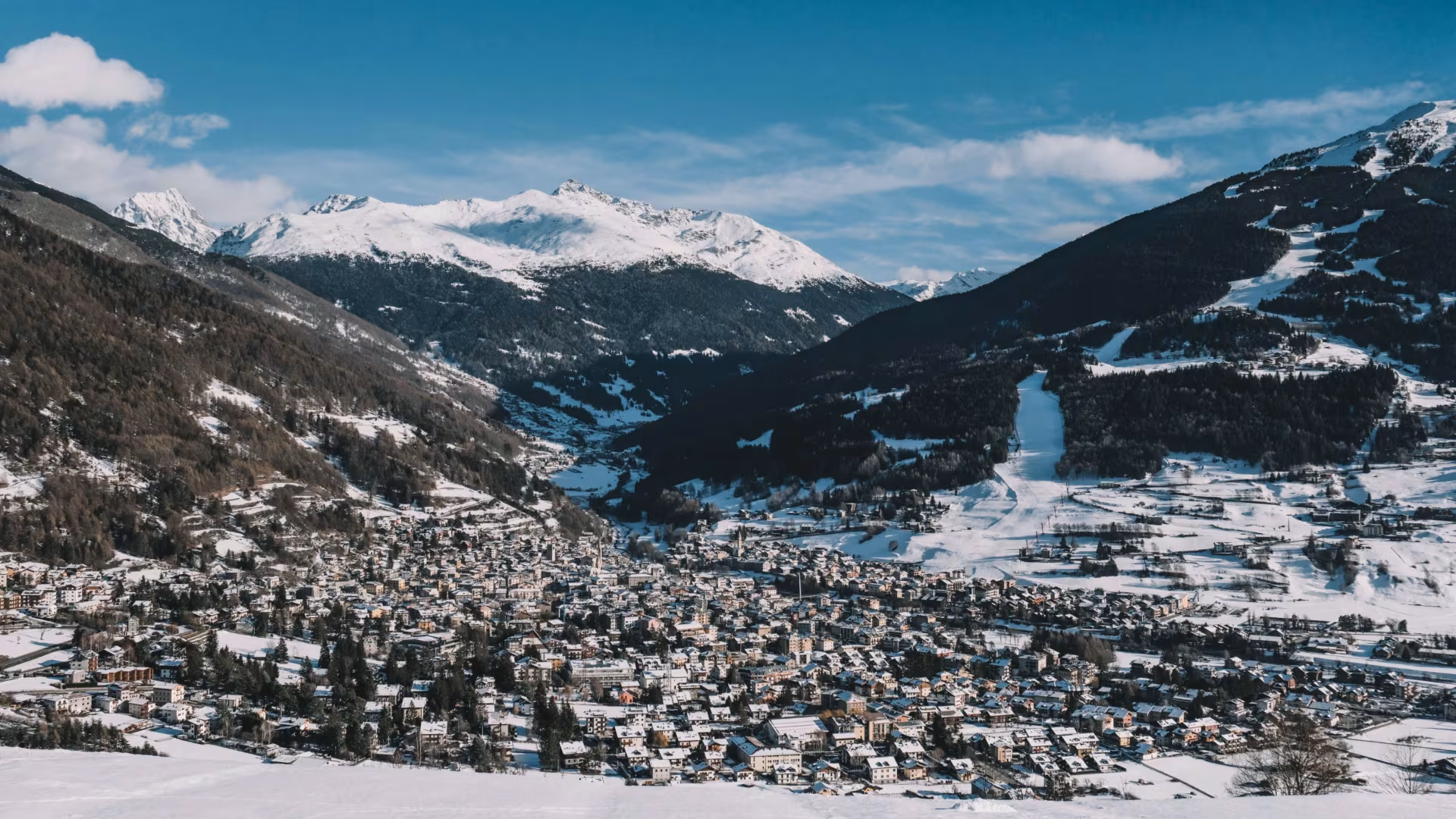
With the Winter Olympics 2026 underway in Milan and Cortina, all eyes are focused on Italy’s glittery capital of fashion and design, and on the stunning Dolomites, where Alpine skiing and Nordic events will take place. The Games will span a vast 8,500 square miles—the most geographically diverse Olympics ever—to include quaint medieval villages, dramatic snow-capped peaks, and the bustling city center for both figure skating and ice hockey competitions.
The attraction for lovers of both athletics and aesthetics is the crop of new hotels, restaurants, and attractions, including the Dolomiti Superski that connects the terrain. And while there is no “right” route to discover the Dolomite Mountains, these destinations are worth a dazzling (often steep and winding) detour.

Brixen Bound
Originally founded by the Austrian monarchy as a tuberculosis sanatorium, Forestis is now a sublime 62-room property with unmatched views of the Dolomites, a UNESCO World Heritage site, beyond. A celebration of the four mountain elements—clean water, pure air, abundant sunshine, and mild temperatures—this wellness retreat is ideal for those in search of outdoor activities (snowshoeing, skiing, and Celtic-inspired Wyda movement in the surrounding forest) as well as the immersive Forestis Spa where treatments incorporate elements of indigenous trees including mountain pine, spruce, larch and Swiss stone pine.

Spread over two floors, the 21,500-square-foot spa features an enormous indoor/outdoor pool, a brine steam bath, a Finnish sauna, and a sauna housed in a traditional South Tyrolean house. A discreet tea lounge with local blends, relaxation and silence rooms, a state-of-the-art fitness center, bespoke treatments such as the Forest Salt Scrub, Healing Wood and Healing Stone pressure techniques, and ski-in/ski-out access to the Plose area make this a one-of-a-kind escape.

Natural materials in neutral hues—light larch and spruce, stone, linen, and glass—are used throughout rooms and public spaces and enhance the breathtaking mountain views. Of special note is the new Forestis Villa, a five-bedroom, design-led hideaway complete with private spa, indoor-outdoor pool, private chef, and kitchen stocked with local wines and fresh produce. Originally built in 1912 and reimagined by architect Armin Sader last year, the minimalist design preserves the building’s heritage through traditional construction techniques and locally sourced wood, stone, and white lime plaster finishes.

Cuisine takes center stage at Forestis as well. The main restaurant (simply called “Restaurant,” fitting of the pared-back, warmly lit space) features floor-to-ceiling windows and is guided by the forest—and specifically, by locally grown and foraged ingredients. The bar and Garden Restaurant are set in the hotel’s listed building, and a sprawling patio with fireplaces invites guests to linger.

The pièce de résistance is the newest dining space, Yera (or “harvest” in the language of the Rhaetian Celts who lived in the South Tyrol), that is also overseen by the hotel’s inventive Executive Chef, Roland Lamprecht. Set inside a magical mountainside cave, Yera is a theatrical experience with red earth floors and walls crafted using material sourced from the nearby Peitlerkofel mountain. An entrancing central fire pit sets the stage for multi-course meals that are prepared over several hours. Guests sit at tables hewn from tree trunks around the flame and savor tastes of wild licorice, nettles, wild berries, and cress—all rendered using time-honored techniques of fermentation, salting, and smoking. A strict no-phones policy encourages diners to disconnect and to truly engage with the tastes and traditions of the diverse region.

Alta Badia
The quintessential South Tyrolean village of Corvara is home to Hotel La Perla, a family-run, wood-paneled gem that is both authentic and completely luxurious—and just an hour from Olympic events, including women’s Alpine skiing and luge. Built in 1931 and lovingly expanded over the years, La Perla comprises 51 rooms and three new one- and two-bedroom suites designed by Milanese architect Alessia Galimberti, with in-house designer Stefan Mayr. The results celebrate Ladin culture through hand-carved headboards, traditional stoves, and the artisanal wool and linen textiles that are synonymous with the area.
The recent addition of Salus Per Aquam spa offers everything from saunas to Turkish baths to hydro-massage and Kneipp—a holistic therapy designed to boost circulation and immunity. A signature Alpine Pine Massage incorporates branches and fossilized specimens and is a favorite with avid skiers and hikers on the Sella Ronda Circuit.


After long days spent on the surrounding pistes, guests are in for culinary delights in the hotel’s varied dining spaces. Culinary options range from Michelin-star meals at La Stüa de Michil by Chef Simone Cantafio, who fuses Italian mountain recipes with inventive Japanese-inspired touches, to the Bistrot Music Club & Bar for Italian classics (think a Negroni with a hearty risotto). The Restaurant Ladinia is focused on Alpine produce-driven dishes, with views of mountain Sassongher beyond.

Castel Badia
An 11th-century castle in San Lorenzo di Sebato, at the foot of the Kronplatz/Plan de Corones ski area, has been brought back to life through the combined efforts of the Gasser and Knötig families, with the Kronplatz Group, and the hotelier Aldo Melpignano (of Egnazia Ospitalità Italiana fame). The reimagining of original spaces—chapels, crypts, frescoes, and ancient stonework—has been enhanced by Null17 Studio, a Brunico-based practice, and Nathalie and Virginie Droulers, whose work melds meticulous restoration with a contemporary Tyrolean aesthetic. The results are 28 ethereal rooms and suites and one chalet in hues of stone, birch, and slate—many with hammams, saunas, and panoramic tubs for moments of quiet calm.

At the heart of the impressive fortress sits the Chapel of St. Vigilius, which is surrounded by 17 diverse gardens (medicinal herbs and flowers flourish throughout the property), as well as the church and crypt, which dates to 1030 and was considered a spiritual center for more than seven centuries, until 1785, before becoming a military hospital.
Central to any stay here is time spent in the sublime spa—one that honors traditional herbal medicine and a sustainable approach to total body wellness. Water is a crucial component of many treatments—from steam baths to hammams to heated pools with mountain views—and many incorporate hay, earth, and herbs as natural exfoliants. Romanesque vaulted ceilings and former monastic rooms have been transformed into Zen spaces for yoga, Pilates, and breathwork.

Just minutes from the majestic castle, the Plan de Corones provides 75 miles of ski terrain as well as a connection to the Dolomiti Superski area—the world’s largest interconnected trail system that spans some 750 miles and provides access to 12 different resorts, including many that will host Olympic events.

For those in search of local culture, the Lumen Museum of Mountain Photography and the Messner Mountain Museum, that’s comprised of six separate exhibition environments, designed by the late Zaha Hadid, both celebrate the beautiful landscape as well as German, Ladin, and Italian cultures. Serious gourmands will love chef Norbert Niederkofler’s AlpiNN, which is set in the Lumen, atop Kronplatz, and is only accessible by cable car. The Martino Gamper-designed-living room setting features floor-to-ceiling windows, comfortable lounge chairs, and live music that highlights Niederkofler’s “Cook the Mountain” relaxed philosophy.
At the end of the day, retreat to Stube Badia at the center of the castle, where Chef Alberto Toè (formerly of Horto in Milan) oversees classic menus infused with contemporary flair. From chestnut and black truffle risotto to wiener schnitzel and fresh apple strudel, warming meals are served in historic rooms with a distinctly wabi-sabi vibe. Meats, cheeses, milk, and flour are supplied by local farmers, while the castle’s garden provides fruit and vegetables in the warmer months. The intimate bar is similarly cosseting and is an ideal spot for an herb-infused aperitivo.

Aman Rosa Alpina
A jewel in San Cassiano, the hotel has been in the Pizzinini family since 1939 and is now in its first winter season after a thoughtful two-year renovation in partnership with Aman. The hotel’s 51 rooms, suites, and signature suites have retained their warm, chalet-style feel, but have been updated with a minimalist design by Jean-Michel Gathy of Denniston. The sweeping landscape is still the star of the show, but in Aman style, a sleek wood façade, luxurious bathrooms, and minimalist in-room fireplaces set the serene tone.

The 18,000 square foot Aman Spa is also a study in neutral hues, with seven treatment rooms, an expansive fitness center, and a 96-degree outdoor infinity pool as well as two indoor pools, and multiple hydrotherapy options all oriented to the forest. Treatments are tailored to the terrain, with an Alpine Muscle Relief massage incorporating aromatic wildflowers and lavender oil for après ski recovery. The culinary offerings are overseen by Executive Chef Gianluca Salvato—The Grill is the place for wood-fired pizzas, Il Salotto lobby bar is perfect for casual coffee or an aperitivo, and Enju, a shabu-shabu hot-pot experience, invites guests to gather and unwind in a subdued setting. For a further foodie excursion, visit mountain rifugio Ütia Bioch, for Ladin classics, a 12,000-bottle wine cellar, and sweeping views of the Marmolada Glacier.

Cortina d’Ampezzo: Dolomiti Queen
The picture postcard perfect village of Cortina has long been synonymous with movie stars and la dolce vita—as well as the Winter Olympic Games (they were held here in 1956). With Austria in striking distance, the vineyard-rich Venezia Giulia region to the east, and Venice to the south, the area offers a rich cultural and culinary mix—not to mention incredible skiing and hiking terrain. This year, the resort will host the women’s Alpine skiing events, and there will be no better vantage point than from the central Ancora Cortina hotel. Founded in 1826, the property has been refreshed by Renzo Rossi (founder of Only the Brave fashion group and Diesel denim) with Vicky Charles of Charles & Co, former design director for Soho House.

The results are 38 Dolomiti-facing rooms—each with its own aesthetic—but all incorporating the rich woods and stone of the region. Already a town hub since its opening in June, Ancora draws locals and guests alike for pizzas and polenta at Terraza on the bustling Corso Italia. A subterranean nightclub and a state-of-the art fitness center round out the offerings at this old-world, year-round jewel.


Just down the street, the Hotel de Len is a study in design-led sustainability. The vision of Venetian architecture firm Gris+Dainese, spaces are spare and very Nordic in feel—with a sleek façade, Swiss pine and spruce guest rooms, and stone flooring all adding to the indoor-outdoor vibe. Perched atop the hotel is a spa with stunning floor-to-ceiling views of Mount Faloria and the bell tower of Cortina in the distance—the perfect spot for vinyasa yoga or late-night stargazing. The similarly sleek Ristorante de Len serves everything from hearty pre-ski breakfasts to afternoon tea infusions to late-night dinners that reflect the region (the strudel is a must).


Main Event Energy in Milan
While the skiing, curling, and luge-ing will take place in the mountains, fan-favorites, including figure skating and ice hockey, will be held in arenas throughout the city center. There are several highlights for fans of good design, including the recently opened The Carlton Milan, part of the Rocco Forte Hotel portfolio. With spacious rooms and suites designed by Olga Polizzi alongside London-based interior design duo Philip Vergeylen and Paolo Moschino. Perfectly situated in the vibrant Quadrilatero della Moda shopping district, and with a buzzy new bar and restaurant, the hotel makes a perfect base for both sport and culture.

Just steps away, the Ferragamo-owned Portrait Hotel is another design lovers dream. Originally a monastery, the 73 exquisitely appointed rooms and suites, as well as the public piazza, and restaurants have been sensitively reimagined by Milanese architect, Michele de Lucchi. Interiors are the vision of Michele Bönan who uses Florentine touches—leather handles and rattan boiserie—in a nod to the Ferragamo family’s Tuscan heritage.


For art and design with Olympic flair, the exhibition “White Out: The Future of Winter Sport” (on view through March 15) and the Museo del Design Italiano (inside the expansive Triennale Milano) are partnering for the Milano Cortina 2026 games. In addition, an exhibition of iconic Olympic Games posters will be on view, as well as the Olympic and Paralympic torches.