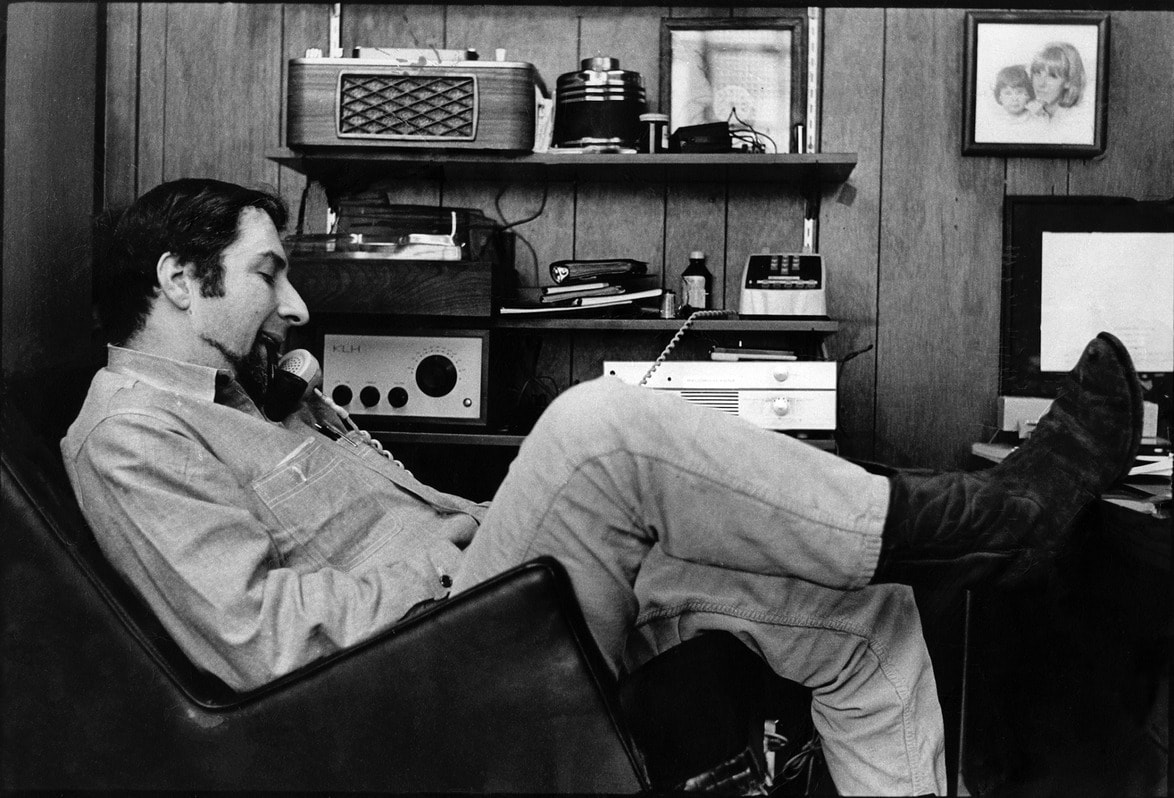
Triennale Milano Reintroduces Visionary Music Photographer Don Bronstein
He shot over 500 album covers for some of the most iconic musical acts of the 20th century, but was forgotten until his daughters shared the family archive with the world

On the walls of a gallery at Triennale di Milano, familiar faces snap you into their moment with startling immediacy. It’s the first European exhibition devoted to the work of Don Bronstein, whose work at midcentury was a harbinger of a new casualness in photography. He makes you see icons in a way that you have not seen them before. The new exhibit, “Don Bronstein and the Jazz Scene in Chicago 1953–1968,” opened in conjunction with Milan Design Week, and it puts Bronstein back in the public eye for the first time in almost half a century.
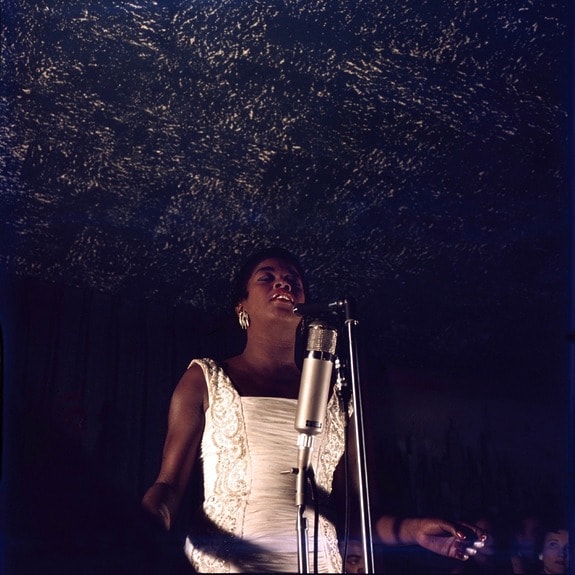
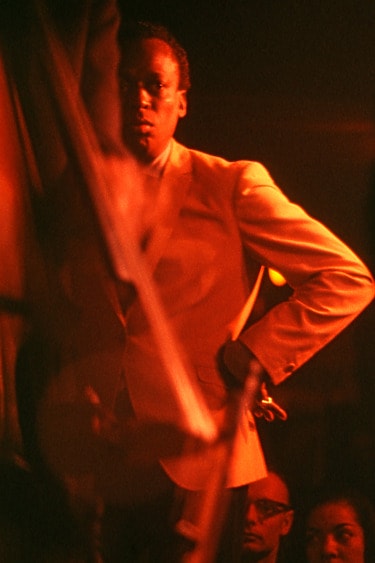
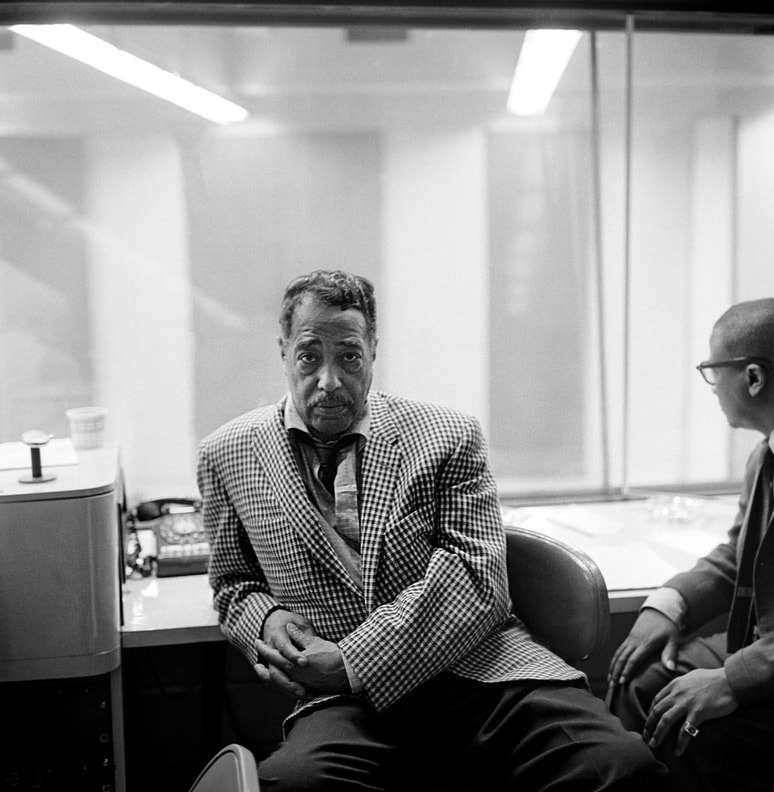
You feel like you know the subjects and you’re in the room with them in a vanished world where everybody knows that bars are supposed to smell like cigarette smoke, not fake citrus-y cleaning products. Don Bronstein photographed a dream list of artists that included Louis Armstrong, Ella Fitzgerald, Miles Davis, Duke Ellington, Sarah Vaughan, Muddy Waters, Chuck Berry, Bo Diddley, Etta James, Eartha Kitt, Harry Belafonte, and Sammy Davis Jr.
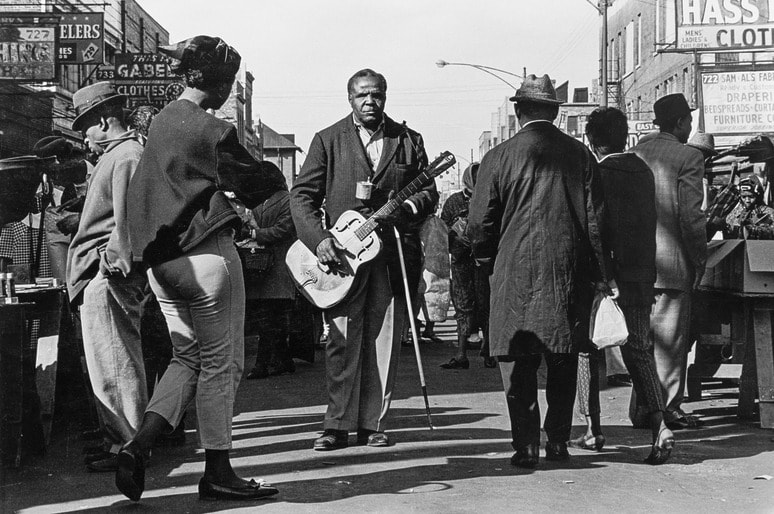
Bronstein’s daughter, Julie Hillman, reflected on her father’s legacy: “What makes the exhibit so powerful is the intimacy you feel between him and the musicians he photographed. The trust is visible, the personal connection is in every frame. One of my favorite images is Louis Armstrong alone, rehearsing before a show in an empty stadium, in shorts. Just my father and Louis Armstrong in a quiet moment. And then on the side wall, the blind man walking down Maxwell Street with his electric guitar no personal contact at all between my father and the subject, yet you feel that same depth. He simply saw something true and captured it. That contrast says everything about who he was as an artist—his connection with people wasn’t just about access or relationships. The connection lived in his eye.”
Bronstein died at the young age of 41 in Mexico in 1968, while on assignment for Playboy. It was an era when the average life expectancy for men was 67, and obituaries for people who died in their 50s regularly listed “old age” as a cause of death. In 1968, there was no means for a doctor to flag things that can be spotted now. Bronstein missed seeing his young daughters hit life’s milestones.
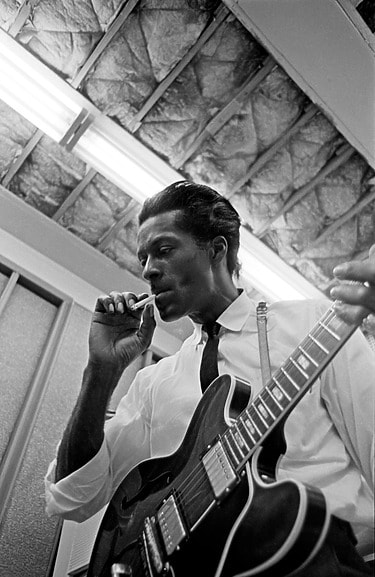
Even so, Bronstein accomplished an incredible amount. He won a Grammy for his 1963 album cover photo of Barbra Streisand. In his time as Art Director and photographer for the legendary Chess Records, he shot over 500 album covers for Chess and a slew of other labels, with Universal Music Group, Columbia Records, Argo, Verve and Atlantic Records among the big names.
Despite forming the visual identity of so many great artists, Bronstein’s name and oeuvre drifted into obscurity until his daughters brought their incredible family archive out of storage and into the public eye. In Hillman’s own words, “Walking into the exhibition for the first time with my mother and sister, seeing my father’s work at this scale, in this context was simply overwhelming. He never had a show of this magnitude in his lifetime, and knowing what it would have meant to him left us all speechless.”
“Don Bronstein and the Jazz Scene in Chicago 1953–1968” is on view at Triennale Milano until May 17.