
Discover Leica Galleries’s 50-Year Mission to Champion Photography Culture
Since 1976, the camera brand has built 26 galleries staging 150 shows annually

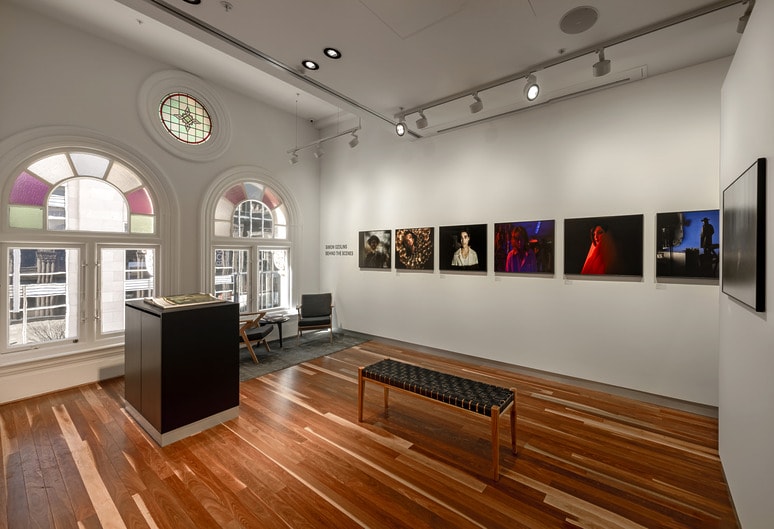
“The best-kept secret in the art world” is how Michael Foley, who runs the New York outpost of Leica Galleries, describes the network he’s part of. For half a century, Leica Galleries, which counts 26 international locations and stages 150 exhibitions annually, has been building one of photography’s most ambitious cultural projects while most people weren’t paying attention.
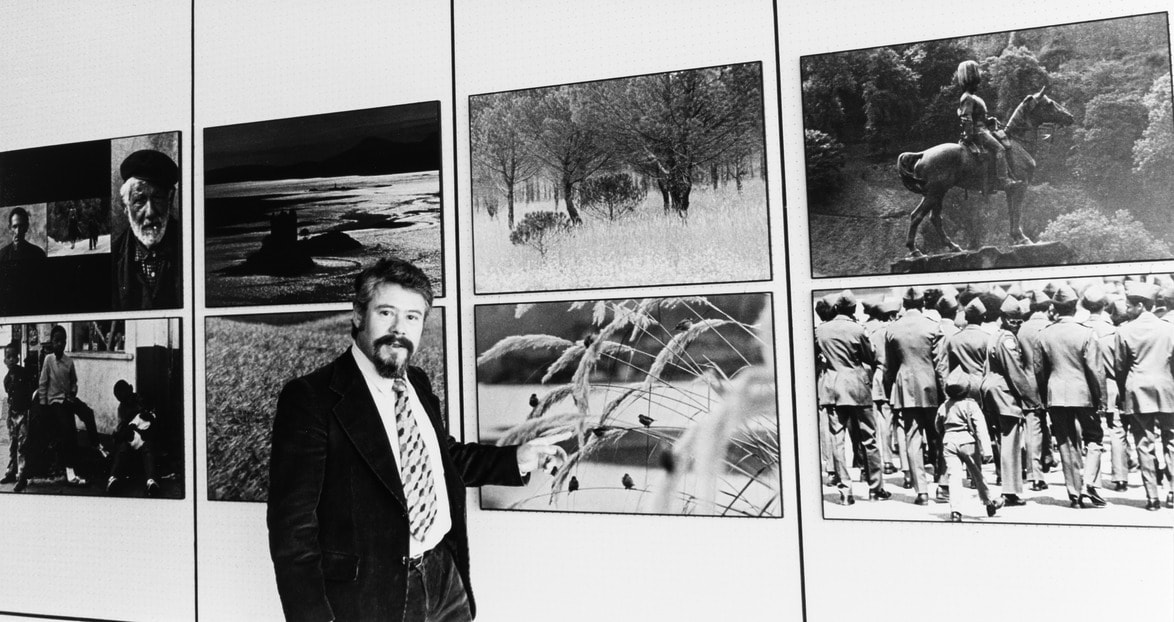
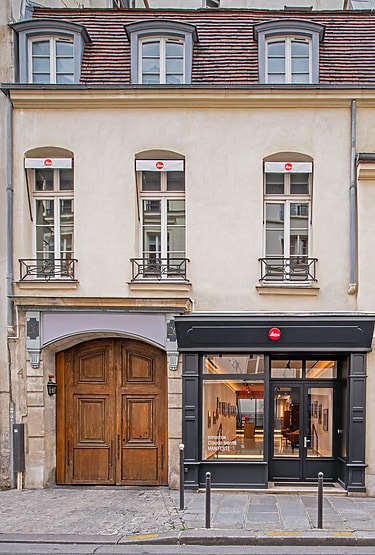
It started modestly, when, in 1976, Leica hung Paul Gluske’s travel photographs in the foyer of its Wetzlar, Germany, headquarters. Hoping to exhibit documentary and artistic photography that embodied the Leica tradition, what began as a single show evolved into monthly exhibitions and, eventually, a global network. By 1994, Leica Gallery New York opened, followed by Prague in 2002, and then Frankfurt, São Paulo, Melbourne, and Tokyo. This year, Chicago and Shanghai join the roster.
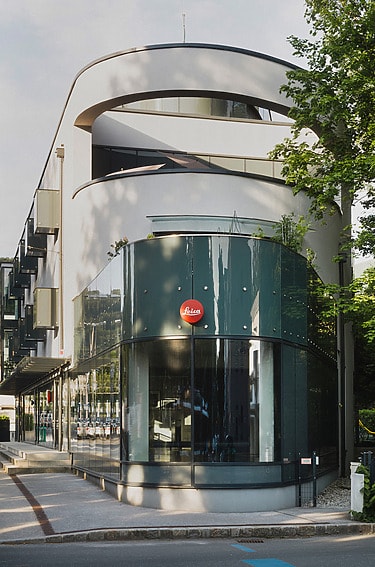
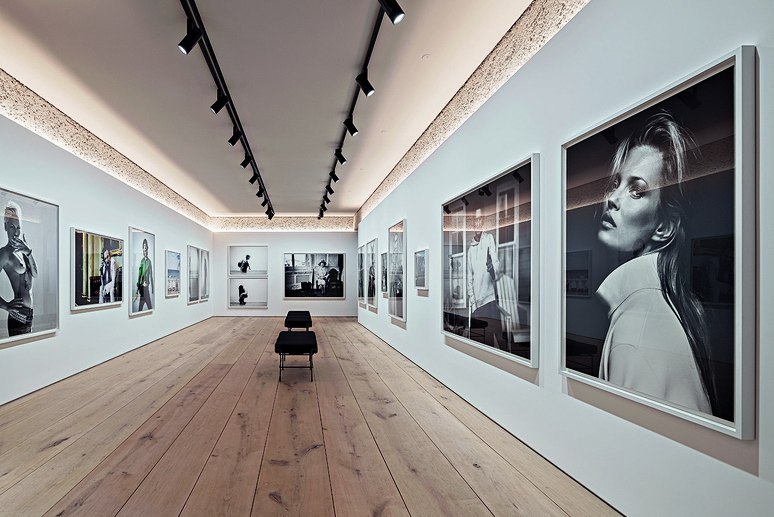
What makes them unique is that Leica Galleries are a camera manufacturer’s century-long bet that photography matters as cultural infrastructure, not just product, and the programming reflects that. Renowned photographers like Henri Cartier-Bresson and Sebastião Salgado share the lineage with Bryan Adams, Lenny Kravitz, and Andy Summers—musicians who happen to be serious behind the lens. War reportage hangs beside intimate portraiture and long-term documentary projects. Anchoring each year’s programming, the Leica Oskar Barnack Award spotlights photographers tackling social and environmental issues.
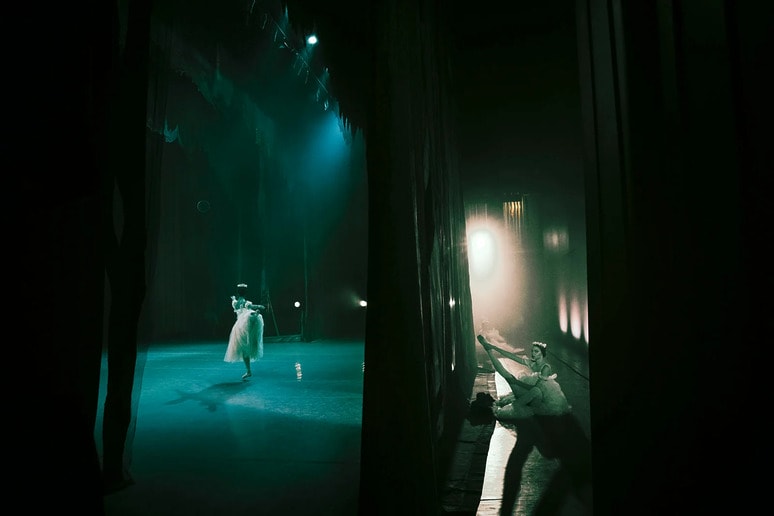
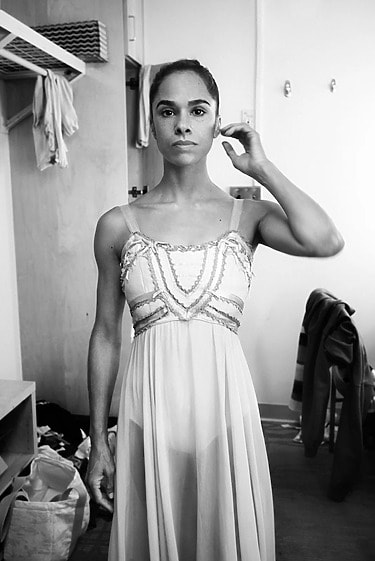
“We support and share stories being told from the street to the stage, and all stops in between,” says Foley. More classic Elliott Erwit and Bruce Davidson retrospectives gave way to last week’s Ballet opening, exploring what it means to live inside movement. The show features Henry Leutwyler’s never-before-seen photographs of Misty Copeland’s final American Ballet Theater performance last October, offering an intimate look at a historic moment in contemporary ballet. This work is posed alongside Diana Markosian’s series Fantômes, which rejects dance photography’s typical frozen moment for blur and dissolution. Kylie Shea, a professional dancer and photographer, contributes black-and-white self-portraits that read like a visual diary of transformation. This range, where canonical meets emerging, and documentary meets conceptual, captures the ethos of Leica Galleries.
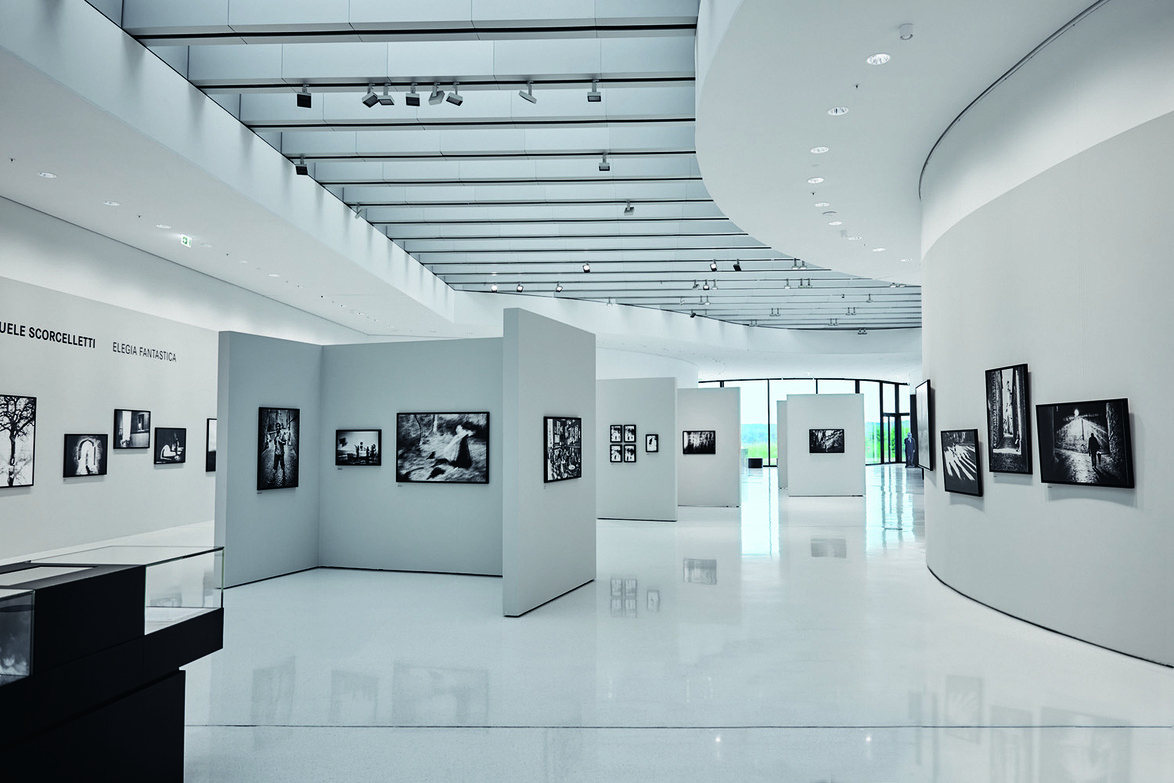
This June, Leica’s Wetzlar flagship hosts the anniversary exhibition. All 26 gallery directors nominated photographers, resulting in 50 images spanning the full spectrum of Leica photography. Karin Rehn-Kaufmann, who oversees Leica Galleries International, describes photography as “the most exciting artistic medium because a large proportion of the population encounters it on a daily basis.” That accessibility matters in an era of algorithmic feeds and AI-generated imagery. The galleries are expanding dialogue around technology while doubling down on authenticity, insisting that truth still lives in images.
Fifty years in, the secret might finally be out. But the work continues for Leica Galleries.